Change is hard. Change is challenging. And most of us know growth usually requires some kind of change. What we do not always recognize is how unclear change can feel while we are inside it.
At first, change can look simple from the outside. A new direction is named. A plan is announced. A timeline is shared. People nod because they understand the words.
Then the change starts touching real life.
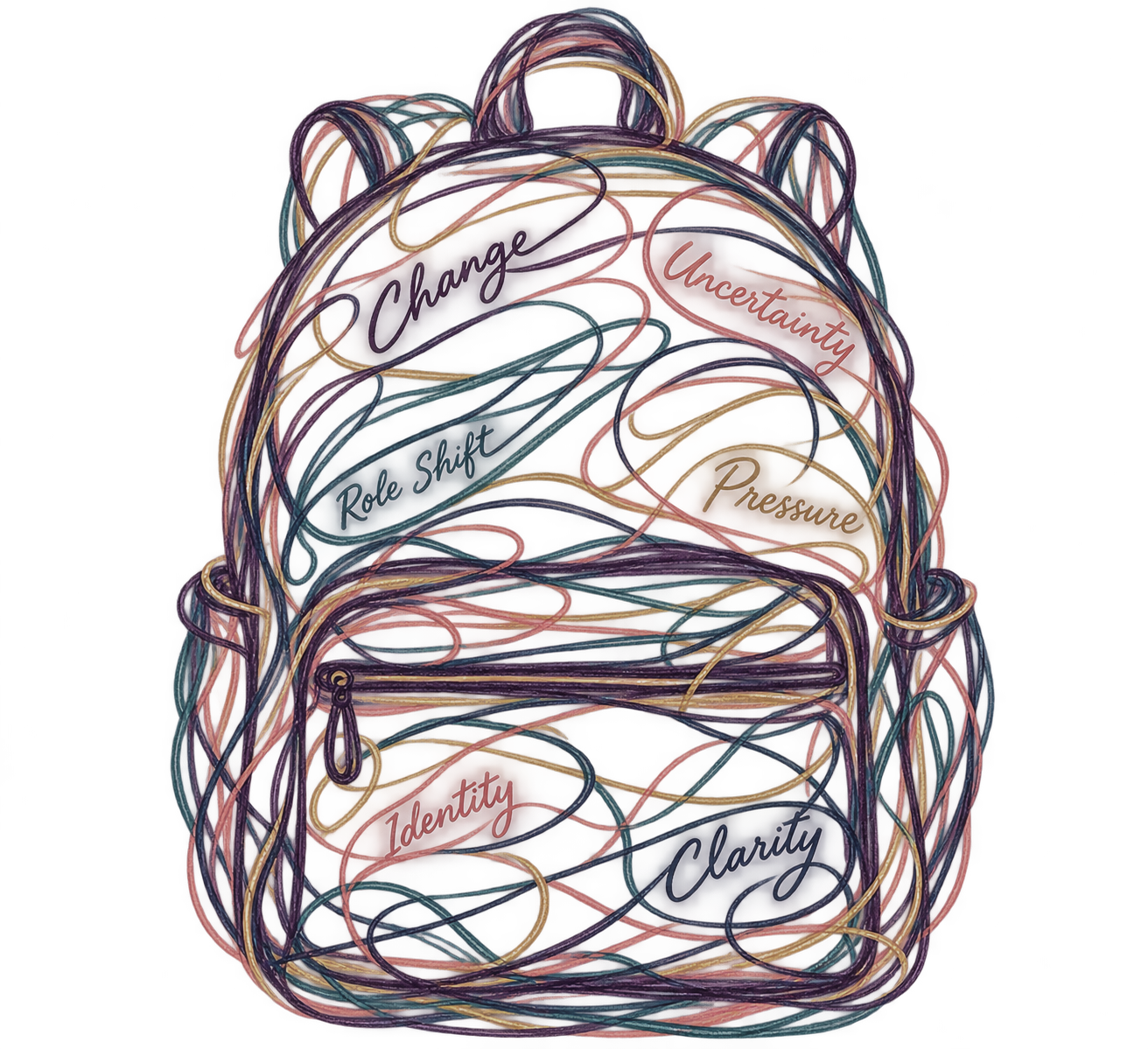
The role shifts. A familiar rhythm disappears. The person who used to know what to do now has to ask again. Confidence gets quieter. Questions get heavier. People begin carrying things they may not have language for yet: uncertainty, loss, pressure, new expectations, and the fear of being misunderstood while they are still adapting.
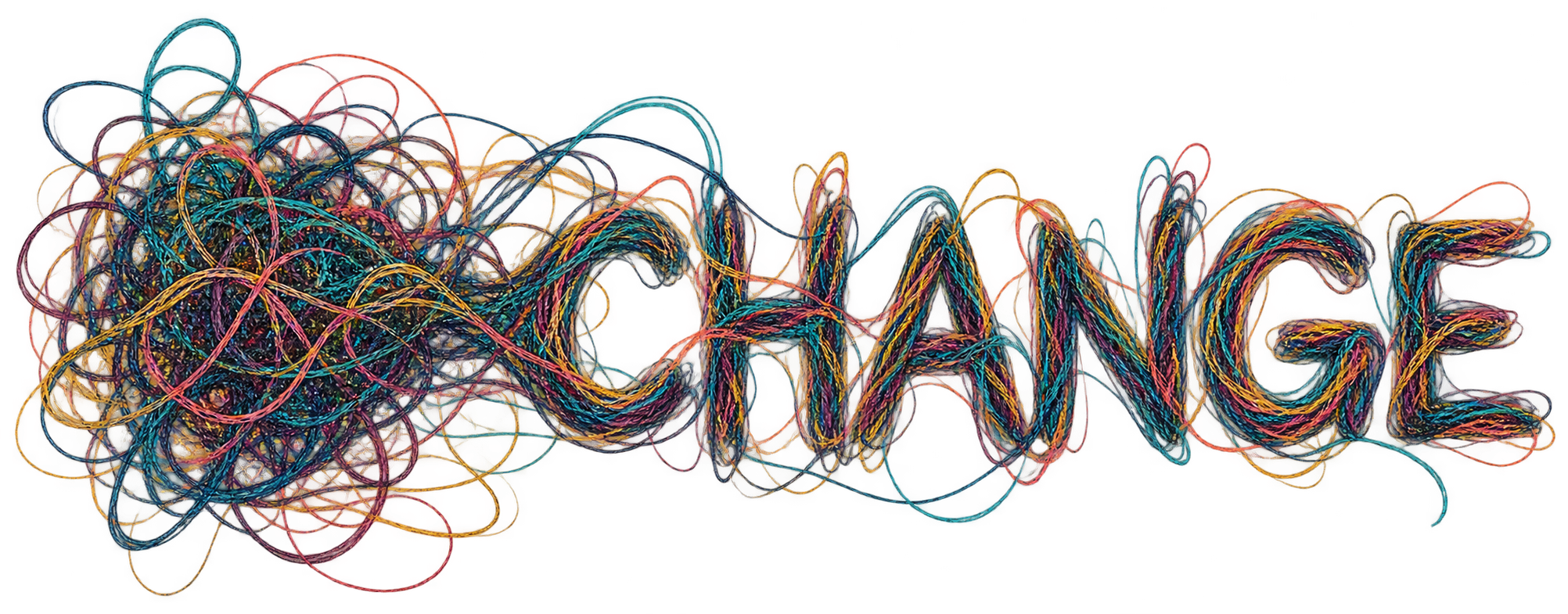
That is where the scribble begins.
The beginning can feel urgent. The ending can look meaningful once we are able to look back. But the middle can feel like a scribble.
It is the space between what happened and what it meant. It is the place where our brains try to organize uncertainty, assumptions, emotions, fear, mixed messages, pressure, and past experiences. It is where we try to make sense of something before we have all the information.
That is why the messy middle can feel so heavy.
When we are inside the scribble, we may not see growth. We may only see confusion. We may see walls closing in. We may feel stuck in a loop of questions.
Transformation does not always announce itself clearly. Sometimes it looks like reflection. Sometimes it looks like discomfort. Sometimes it looks like courage before confidence arrives. Sometimes it looks like continuing to move when nothing feels organized yet.
The messy middle is not the failure of the process. It is part of the process.
What is crowding the scribble right now: fear, pressure, assumptions, mixed messages, or missing information?
What is the person trying to make sense of before they can act with confidence?
What condition would help the new story become believable in practice?
Only later can we look back and say, “I see what was happening there.” We can see where we learned to name the pressure. We can see where we stopped reacting and started interpreting. We can see where we grew stronger, not because the scribble disappeared immediately, but because we kept working through it.
BRITER asks leaders to notice that moment before they label it resistance. Sometimes the person is not refusing the change. Sometimes they are trying to carry identity, history, trust, pressure, and new meaning at the same time.
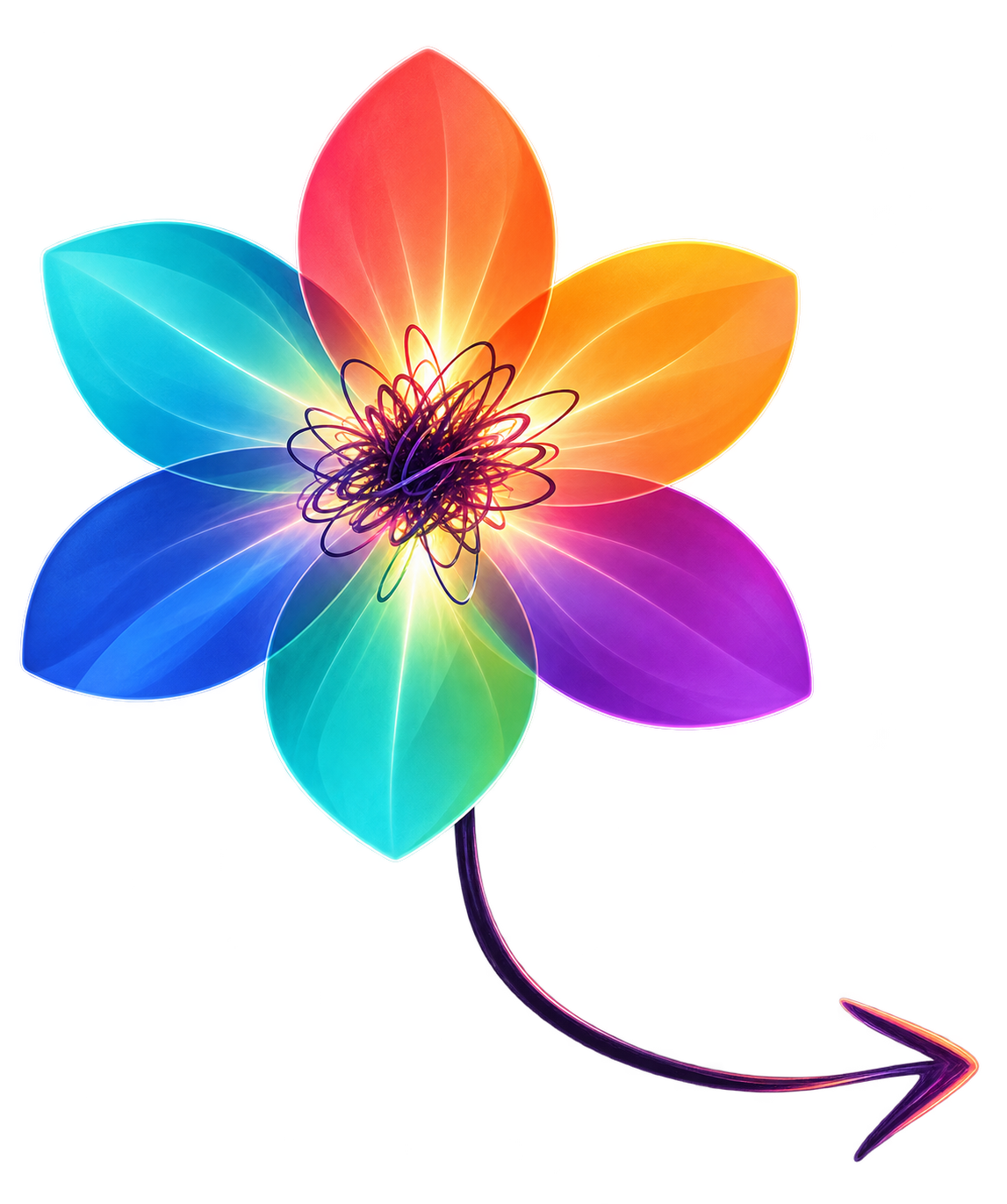
Growth often happens on the other side of the mess. Not after avoiding it. Through it.
A reflection practice for the messy middle.
- Describe the scribble without judging it.
- Name what is known, unknown, assumed, and felt.
- Ask what the system is adding to the weight.
- Choose one next move that creates clarity, steadiness, or support.